Are Dose Administration Aids Worth It for Your Pharmacy?
The DAA program pays $6.17 a service and packing eats hours. What the government's own evaluation found, and how to decide whether DAAs pay for you.

paid to the pharmacy per patient per Dose Administration Aid service provision under the current program
Source: Pharmacy Programs Administratorthe increase in the weekly base cap of funded DAA services per pharmacy under the Eighth Community Pharmacy Agreement
Source: Australian Government Department of Healthper week spent packing blister packs, reported in the Australian Government's DAA evaluation, including unfunded residential aged care packing
Source: Australian Government Department of Healthapproximate annual Australian Government spend on the DAA program, around half of all Community Pharmacy Program spending under the 7CPA
Source: Australian Government Department of HealthIn this article
Every pharmacy that packs dose administration aids has had the same quiet conversation. Someone works out roughly what the packing costs in staff hours, compares it to what the program pays, and the room goes silent for a moment. Then someone says the patients depend on it, which is true, and the conversation ends there without ever being resolved.
In short: the funded DAA program pays $6.17 per patient per service. Pharmacies themselves put the value of that service at around $14 a week, and the government’s evaluation found pharmacists consistently describing it as a cost disadvantage. That does not make it the wrong service to offer. It makes it one to run deliberately, with the numbers in front of you.
What the program actually pays
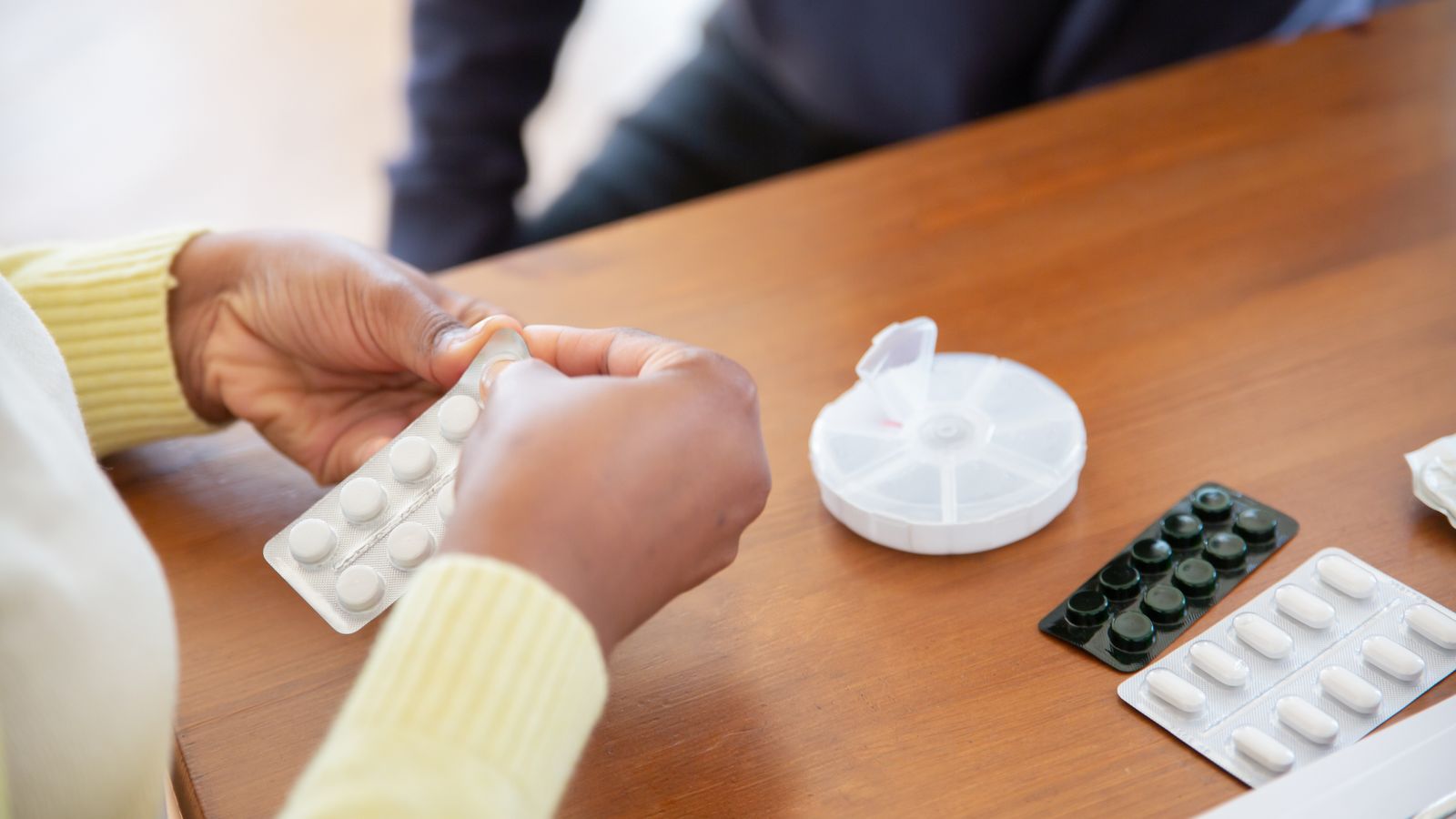
A dose administration aid is a sealed pack, either a blister pack or a sachet roll. The pharmacy organises the patient’s medicines in it by dose and time, so each dose can be taken without sorting.
The Dose Administration Aids program pays $6.17 per patient per DAA service provision, claimed through the Pharmacy Programs Administrator.
The Eighth Community Pharmacy Agreement raised the weekly base cap from 60 to 90 services per week per pharmacy. We break down that agreement in what the 8CPA means for your pharmacy. The Indigenous DAA program remains uncapped and free to eligible patients.
At the full base cap that is 90 services at $6.17, or $555.30 a week, which comes to roughly $28,900 a year in program revenue. That is the ceiling, and it only applies if you are packing at capacity every week.
Patients must hold a Medicare or DVA card and live at home in a community setting. They must then either hold a concession card while experiencing medication management difficulty, or be taking five or more prescription medicines and struggling to manage them. Aged care residents and hospital inpatients are excluded.
What does it cost to pack a DAA?
This is the part that rarely gets measured properly, and where the government’s own evaluation is unusually candid.
The evaluation, prepared by the Menzies Centre for Health Policy and Economics and the University of Sydney School of Pharmacy, surveyed community pharmacists, consumers and carers. Pharmacies reported spending approximately 18 hours per week packing blister packs and 15 hours per week packing sachets.
Be careful how you pair those hours with the revenue, because they do not cover the same patients. The same evaluation reports that the average pharmacy provided 52.6 blister packs a week to community patients under the program. It provided another 48.9 to residential aged care residents, who are not eligible for the funded program at all. So the 18 hours buys roughly 101 packs, and only about half of them attract a fee.
Run the honest version: 52.6 funded services at $6.17 is about $325 a week, against 18 hours of blister packing that also covers unfunded aged care work. The evaluation puts checking on top of that, at approximately 283 minutes a week for blister packs, which is close to five hours of pharmacist time.
Attribute only the funded share of those hours, roughly nine, plus a proportionate share of the checking. On that basis the program pays somewhere near $30 an hour of labour, before consumables. Compare that with your own wage-plus-oncost figure.
Those are sector averages, not your position. Run it with your own numbers.
| Input | Where to get it |
|---|---|
| Funded services claimed per week | Your PPA claim data |
| Program revenue | Services multiplied by $6.17 |
| Packing hours per week | One week of timed observation, not an estimate |
| Checking time | Timed separately, it is pharmacist time |
| Consumables | Packs, seals, labels, printing |
| Private fees charged | Your own point of sale |
What pharmacists told the evaluation
The findings are worth quoting plainly, because they are more direct than most sector research.
The evaluation records that “the commercial impact of delivering a DAA service was consistently referred to by all pharmacist participants as a cost disadvantage”. Asked what a weekly service should cost, pharmacies providing blister packs gave a median of $14, with an interquartile range of $10 to $20. The program pays roughly six. Seven pharmacies in the evaluation had stopped providing the service. They cited a fall in DAA user numbers, the costs of the service, and a lack of staff availability.
The evaluation also noted that a cost effectiveness analysis of the DAA program has never been conducted, because the necessary data has never been collected. Its recommendations include further consideration of funding arrangements so that reimbursement adequately covers the cost of providing these services.
Meanwhile the program is not small. The Australian Government spends approximately $100 million a year on DAAs, around half of all Community Pharmacy Program spending under the previous agreement.
So should you offer them?
The honest answer is that the program fee alone rarely justifies the service, and that is not the only thing at stake.
Reasons the numbers can still work. DAA patients are typically on five or more medicines, which means a predictable script volume that stays with your pharmacy. The service anchors a patient relationship that is genuinely hard for a competitor to take. Packing is also schedulable in principle, which is more than can be said for anything else in a dispensary. It can be pushed into the quieter parts of the week.
Reasons to be careful. Packing hours are real hours, and in a tight labour market they are the hours you least have to spare. The cap limits the upside while doing nothing to limit the workload from unfunded patients. And a service run at a loss without anyone noticing is worse than one run at a loss deliberately.
A workable position. Measure your true cost per pack and use the funded cap fully for eligible patients. Set a defensible private fee for those outside the program, and batch the packing into scheduled blocks instead of fitting it around interruptions. Then review it annually against real numbers.
Where they genuinely earn their place
Complexity is the clearest indication. A patient on eight medicines with three dose times is at real risk of a medication misadventure, and organising that regimen is exactly what a DAA does well.
The weakest use is the opposite case. A patient on two straightforward medicines is offered a pack because it was easier than asking why they were missing doses. That patient absorbs your packing hours without receiving much benefit. We work through matching intervention to cause in how to improve medication adherence.
Operational context
DAAs are a scheduled workload competing for staff hours against an unscheduled one, and the unscheduled one usually wins. That is the real constraint on running the service well.
The program payment does not change, but staff hours still carry a cost. For the wider service and margin picture, see alternative revenue streams for independent pharmacy and how pharmacies save money.
Frequently asked questions
- How much does the DAA program pay per patient?
- $6.17 per patient per DAA service provision under the current Australian program, claimed through the Pharmacy Programs Administrator. The weekly base cap is 90 funded services per pharmacy, raised from 60 under the Eighth Community Pharmacy Agreement.
- Are dose administration aids profitable for pharmacies?
- Not reliably on the program fee alone. In the government's own evaluation, pharmacists consistently described the commercial impact of DAA services as a cost disadvantage, and pharmacies providing blister packs put the value of a weekly DAA service at a median of $14, well above what the program pays.
- How long does it take to pack dose administration aids?
- Pharmacies in the Australian Government's DAA evaluation reported approximately 18 hours per week packing blister packs and 15 hours per week packing sachets, plus about 283 minutes a week checking blister packs. Note those hours cover packing for residential aged care residents too, who are not eligible for the funded program.
- Who is eligible for a funded DAA service?
- Patients must hold a Medicare or DVA card, live at home in a community setting, and hold a valid government concession card while experiencing medication management difficulties, or be taking five or more prescription medicines and having difficulty managing them. Aged care and hospital patients are excluded.
Sources
- Dose Administration Aids Program · Pharmacy Programs Administrator
- Community Pharmacy Programs under the Eighth Community Pharmacy Agreement · Australian Government Department of Health
- Evaluation of the Dose Administration Aid program (December 2024, published 2025) · Menzies Centre for Health Policy and Economics and University of Sydney School of Pharmacy, for the Australian Government Department of Health